Nowhere is this shift more apparent than in Dubai, where the Emirate’s ambitions to decarbonise are beginning to reshape its industrial real estate market.
The UAE’s pledge to reach net zero by 2050, and the vast sums committed to that goal, has set the tone. More than US$160 billion has been allocated to clean energy and low-carbon infrastructure, a portion of which is quietly but steadily filtering into the industrial sector. For landlords, developers, and asset managers, the message is clear: the future is not just built - it is benchmarked, electrified, and certified.
Dubai’s logistics and manufacturing hubs, particularly its free zones, have long benefited from connectivity, regulation, and scale. But as global occupiers begin to scrutinise carbon footprints with the same rigour as lease terms, the focus is shifting. Sustainability credentials are no longer a nice-to-have—they are fast becoming a precondition for capital and corporate attention alike.
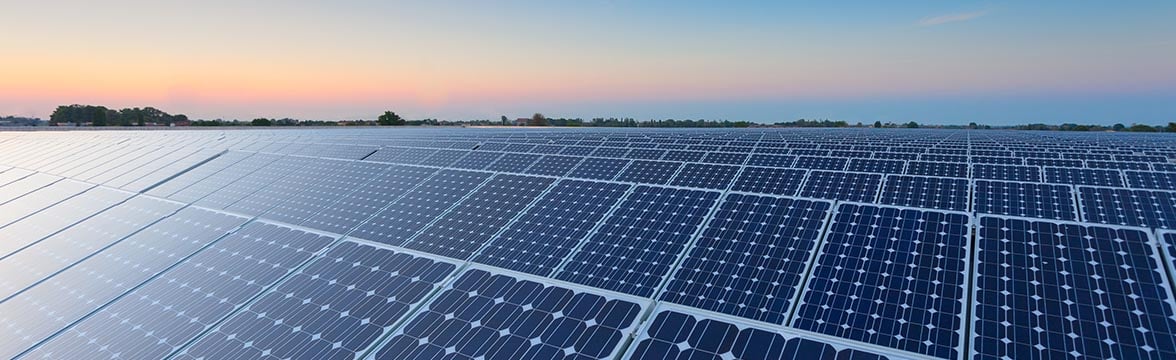
Jebel Ali Freezone Authority (JAFZA, Dubai Industrial Park (DIP), and Dubai Industrial City are early testbeds. Here, solar installations, electric vehicle infrastructure, and greywater reuse systems are being trialled and, increasingly, embedded into design. Free zone operators are also beginning to explore new tools to measure and monetize sustainability, driven in part by initiatives such as the partnership between MetaVerse Green Exchange (MVGX) and the World Free Zones Organization (WFZO). The alliance, which includes plans to introduce a global carbon management system, aims to equip free zones with the technology and training required to assess, certify, and transparently report on carbon performance - positioning them as accelerators of low-carbon economic zones.
The idea of carbon credit trading, once dismissed as arcane financial engineering, is gaining currency (literally) as developers look for ways to offset capital expenditure and unlock new forms of asset value. Even so, progress remains uneven. Building green costs more - at least upfront - and the market is not yet in the habit of rewarding such investment with higher rents or yield compression on sale. Nor is regulation always clear-cut. While some government incentives exist, developers navigating evolving ESG standards often find themselves caught between aspiration and ambiguity.
Still, the direction of travel is unmistakable. Institutional capital is increasingly weighted toward compliant, low-emission assets. Global tenants are under pressure to clean up their supply chains. And as environmental scrutiny tightens, the industrial assets that cannot demonstrate efficiency, transparency, or alignment with international benchmarks may find themselves on the wrong side of the capital divide.
Dubai, as ever, is moving early, and there’s a sharp alignment between infrastructure, policy, and long-term investor priorities. The focus on sustainability is deliberate, and the foundations are already being put in place. With a growing number of industrial zones trialling LEED and EDGE certifications and introducing AI-based energy monitoring tools, the makings of a more efficient, more future-proof asset class are beginning to take shape. The test will be whether developers can match ambition with execution, and whether tenants and investors will pay for it. If they do, sustainability could become Dubai’s next big industrial export.