For much of the last two decades, Dubai’s commercial real estate narrative has centred on new development. Office buildings rose quickly, tenants followed, and the focus remained on expansion. But with many assets now approaching the 20-year mark, attention is beginning to shift towards how to maintain relevance rather than simply build anew.
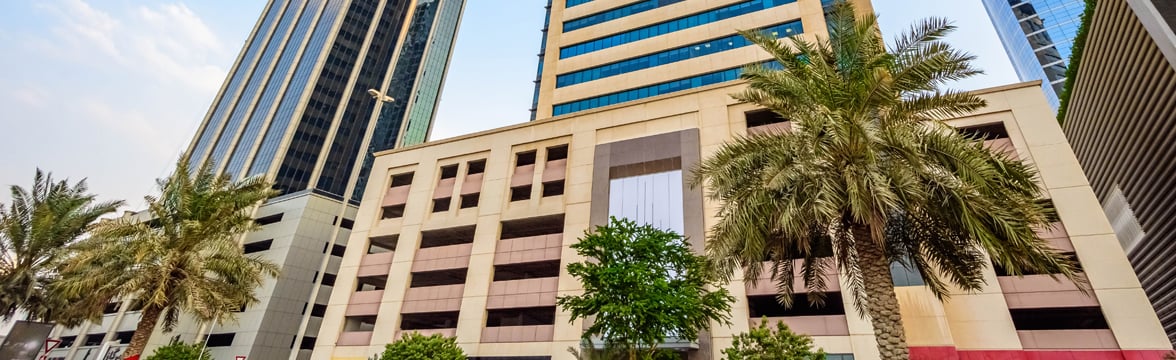
The recent sale of Aurora Tower in Dubai Media City provides an early indication of this change. Developed in the early 2000s and currently well-let, the building was acquired by investment firm Sweid & Sweid with plans for a targeted upgrade. The rationale is clear: the building sits in a sought-after cluster, has a stable tenant base, and offers scope to improve performance through measured refurbishment. It reflects a growing interest in repositioning—not because it’s fashionable, but because, in the right circumstances, it makes financial sense.
Compared to global markets, Dubai’s office stock is still relatively young. Most of it was delivered during two main waves: in the early 2000s and again after 2012. But that compressed timeline means many buildings are now reaching a similar stage of maturity at once. Unlike older cities where building age is staggered, Dubai’s development pattern may lead to concentrated demand for upgrades in certain districts over the next few years.
At present, around 15–20% of the city’s office stock is nearing the typical age where systems begin to date and tenant requirements start to shift. This may not seem urgent, but as more occupiers look for flexible space, improved infrastructure, and stronger sustainability credentials, the gap between newer and older stock is becoming more visible.
In other global cities, retrofit decisions are often triggered by regulation: carbon benchmarks, accessibility standards, or energy performance ratings. In Dubai, it’s more a matter of economics and demand. When potential rents after refurbishment are meaningfully higher than current returns, and when building fundamentals are sound, the case to reinvest is increasingly compelling.
Several recent transactions - Aurora Tower among them - involve buildings acquired with repositioning in mind. These are typically not distressed assets. They’re centrally located, often with established tenants, but no longer aligned with the expectations of today’s market. For some investors, they represent a quieter but still effective route to value creation, especially as opportunities for greenfield development narrow in key areas.
Still, repositioning is not a straightforward process. Valuation gaps between buyer and seller, regulatory complexity, and fragmented ownership can all present challenges. And without incentives to retrofit, the decision often rests on whether rental uplift and occupancy prospects can justify the capital outlay.
But for developers and fund managers looking beyond the next ground-breaking, this is becoming a relevant part of the investment conversation. In certain submarkets, particularly where land supply is constrained and tenant demand remains robust, repositioning may offer a path to steady, asset-level outperformance.
As more of Dubai’s office stock approaches this transitional phase, understanding where and when to act will become increasingly important. Reinvestment will not be appropriate in every case, but where the fundamentals are in place, it is likely to play a growing role in how value is sustained and created over the next cycle.
A growing share of Dubai’s commercial buildings are reaching the point where refurbishment becomes a strategic consideration. For investors, understanding where and when to act could define the next phase of opportunity.