
RESIDENTIAL SUPPLY: STRONG PIPELINE AHEAD
Dubai’s residential market is in the midst of a robust supply cycle, with a significant pipeline building in the near term. Q3 2025 saw the delivery of over 7,800 units, with another 14,900 expected in Q4, bringing the annual total to 44,000 units, the highest in five years. Completions are expected to rise further in 2026, with over 69,000 units anticipated. Much of this near-term supply reflects the volume of projects launched over the past three to four years now reaching completion. While strong demand continues to support absorption and is expected to remain underpinned by record population growth, the new stock is likely to gradually temper the market, contributing to the ongoing moderation in both price and rental growth.
SALES PRICES: GROWTH MODERATING
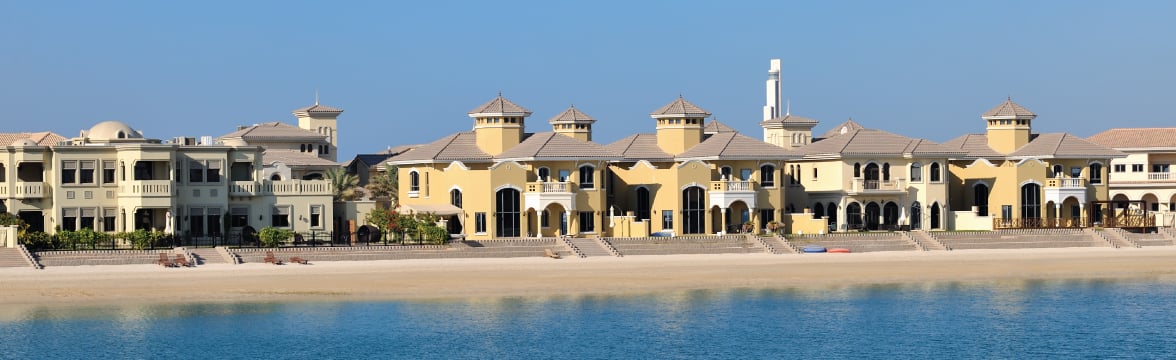
City-wide residential sales prices in Dubai reached AED 1,871 per sqft in Q3 2025, up 13% YoY, but growth is clearly slowing, particularly in the apartment segment. With steady new supply entering the market, further price moderation is likely. Villa communities such as Palm Jumeirah, Dubai Hills, The Springs, The Meadows, and Jumeirah Village Circle continue to outperform with double-digit growth, supported by limited supply and resilient end-user demand. In contrast, mid-market apartment areas show signs of saturation, recording only marginal YoY gains. As the market moves into a more balanced phase, pricing will increasingly be driven by fundamentals such as location, quality, and developer profile.
RENTS: EASING INTO STABILITY AS PRIME MARKETS OUTPERFORM
Rental growth has moderated, with average city-wide rents rising by 6% YoY, marking a clear slowdown from the double-digit increases recorded in previous years. This trend reflects a market adjusting to rising supply, affordability pressures, and the moderating effect of the RERA rental index. The key exceptions to this stabilisation are apartments in Downtown Dubai, which recorded a 15% YoY increase, and villas on Palm Jumeirah, where rents surged by 42% YoY. These segments underscore the continued resilience of prime residential districts, even as the broader market trends toward equilibrium. Looking ahead, rental growth across the wider market is expected to remain modest, supported by rising inventory and steady demand